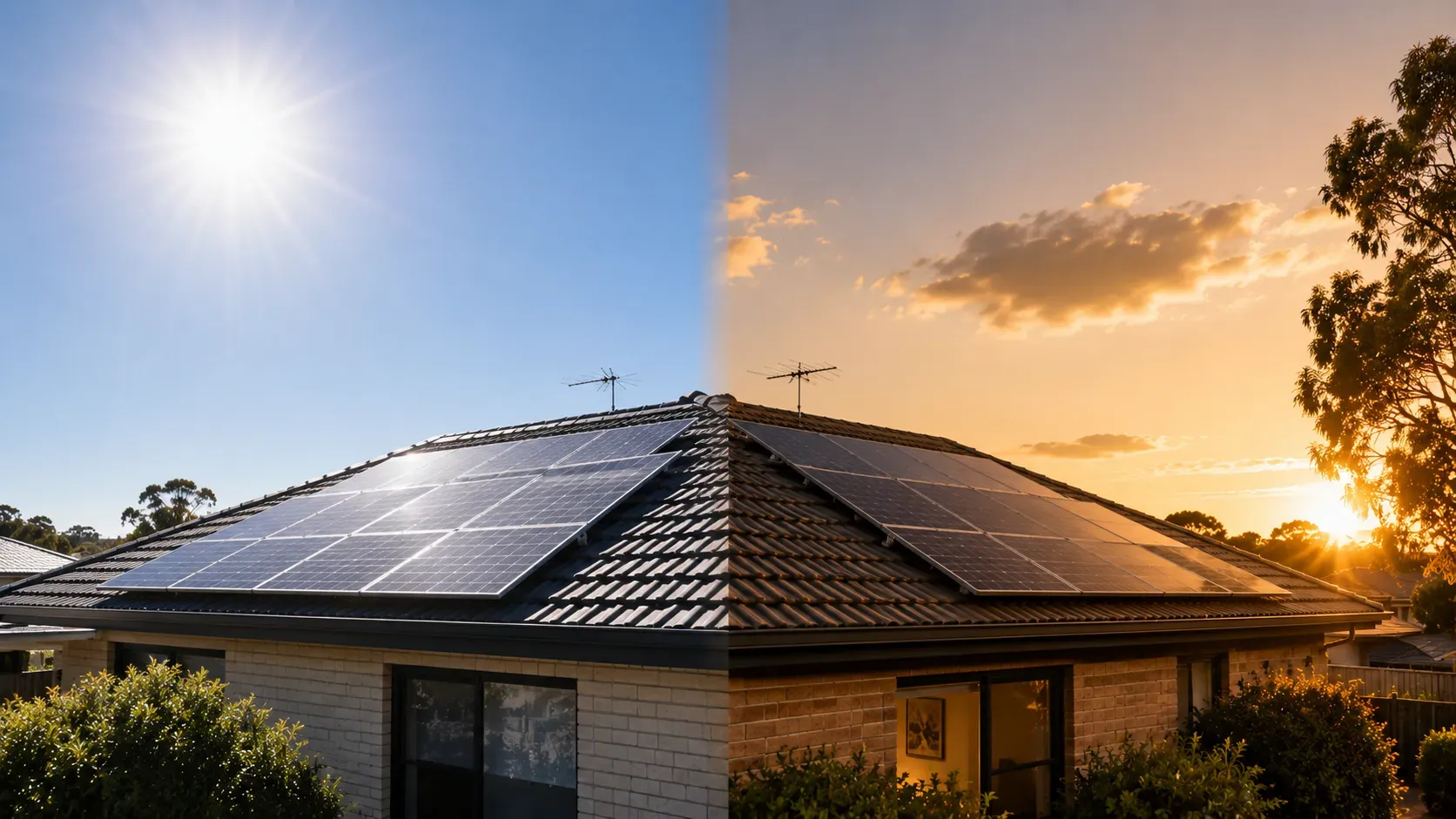
Free electricity, three hours a day, every day — no solar panels required. It sounds like a marketing gimmick, but from 1 July 2026 it's government policy. Here's what the Solar Sharer Offer actually is, who can get it, and — crucially — what it means if you own solar or you're thinking about buying it.
What is the Solar Sharer Offer?
The Solar Sharer Offer is a new Australian Government initiative that requires electricity retailers with more than 1,000 customers in the Default Market Offer regions to offer eligible households a plan with three hours of free electricity in the middle of the day — 11am–2pm in NSW and south-east Queensland, and 12–3pm in South Australia.
The logic is simple: Australia's rooftops now generate so much midday solar that wholesale prices in that window regularly plunge towards zero. The Solar Sharer Offer passes that abundance on to households — including renters and apartment dwellers who can't install panels of their own.
Who can get it?
To be eligible you need to be a residential customer in NSW, south-east Queensland or South Australia, and you need a smart meter (the free window can't be measured without one). The offer is optional — retailers must make it available, but you choose whether to switch. Households can access up to 24kWh of free electricity in the window each day, per energy.gov.au.
Victoria, Tasmania, the ACT, WA and the NT sit outside the DMO regions, so the mandated offer doesn't apply there — though some retailers already run similar free-daytime-power plans voluntarily.
The catch: compare the whole plan
Three free hours doesn't mean a free bill. You still pay a daily supply charge and for every kilowatt-hour outside the window — so before switching, check whether the plan offsets the free window with a higher daily supply charge or steeper peak rates. If your evening usage is heavy, a "free lunch" plan could genuinely cost you more overall than a well-priced flat-rate plan.
The only sensible approach is to compare the whole plan — supply charge, peak and off-peak rates, and feed-in tariff — against your actual usage pattern. Confirm the exact rates with your retailer before switching.
What if you already have solar?
Here's the uncomfortable bit: the Solar Sharer window lands exactly when your panels produce the most. If grid power is free from 11am–2pm, your exports in that window are worth very little to anyone — and feed-in tariffs, already near zero in states like Victoria, aren't coming back. Check our solar rebates page for what incentives still exist.
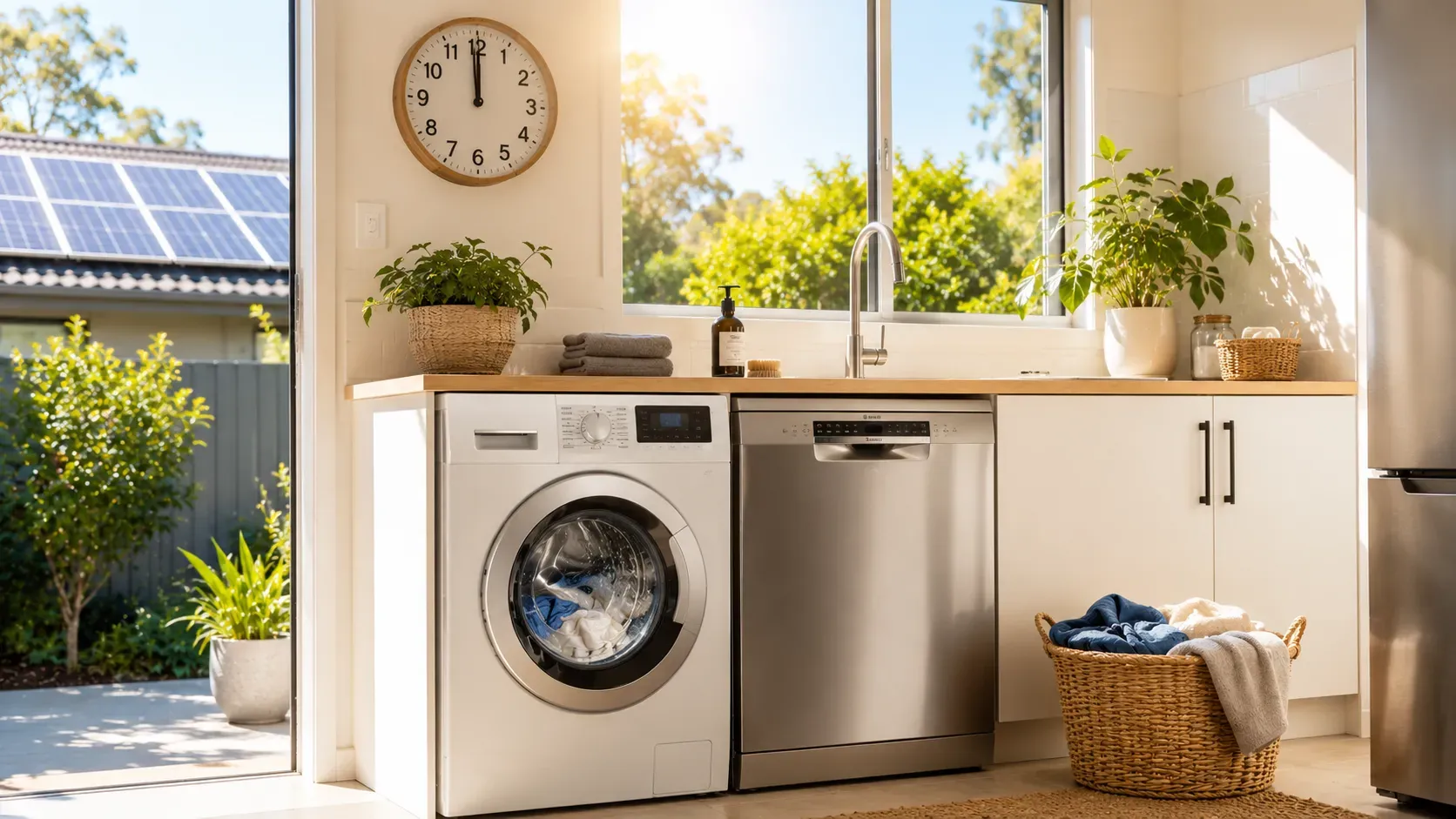
The strategy shifts from "export and earn" to "self-consume and store". Run the dishwasher, pool pump and hot water in the solar window, and treat exports as a bonus rather than income.
What if you have a battery — or want one?
A battery turns the Solar Sharer Offer from a threat into an opportunity. On a compatible plan, you could potentially charge your battery from the grid for free during the midday window on cloudy days, then ride through the expensive evening peak on stored power. Whether a specific plan and battery setup allows this is worth confirming with your retailer and installer, but the direction is clear: batteries and free-midday-power plans are natural partners. Our solar battery guide walks through sizing and costs.
Still deciding whether to buy solar?
Some people will read "free grid power at midday" as a reason to skip panels. That's usually the wrong takeaway. The free window is only three hours; your panels generate from morning to evening, cover you every day regardless of which plan you're on, and pair with a battery to slash the peak-time usage the Solar Sharer plans may charge more for. What the offer really changes is system design — self-consumption and storage matter more than export income. For help judging a proposal, see our solar tips.
The smartest move is to get system designs and savings estimates from multiple installers who understand the new plan landscape. Compare up to three free, no-obligation quotes from pre-vetted local installers — get quotes and find out what solar looks like in the free-power era.