Ask a facility manager at a hotel, aged care home, hospital or food manufacturer where the money goes, and you'll hear the same answer three times over: electricity, gas and water. Yet when businesses think "utility savings", most stop at the first one. In 2026, the operators getting the best returns are auditing all three — and stacking the paybacks.
Utility one: electricity — the solar workhorse
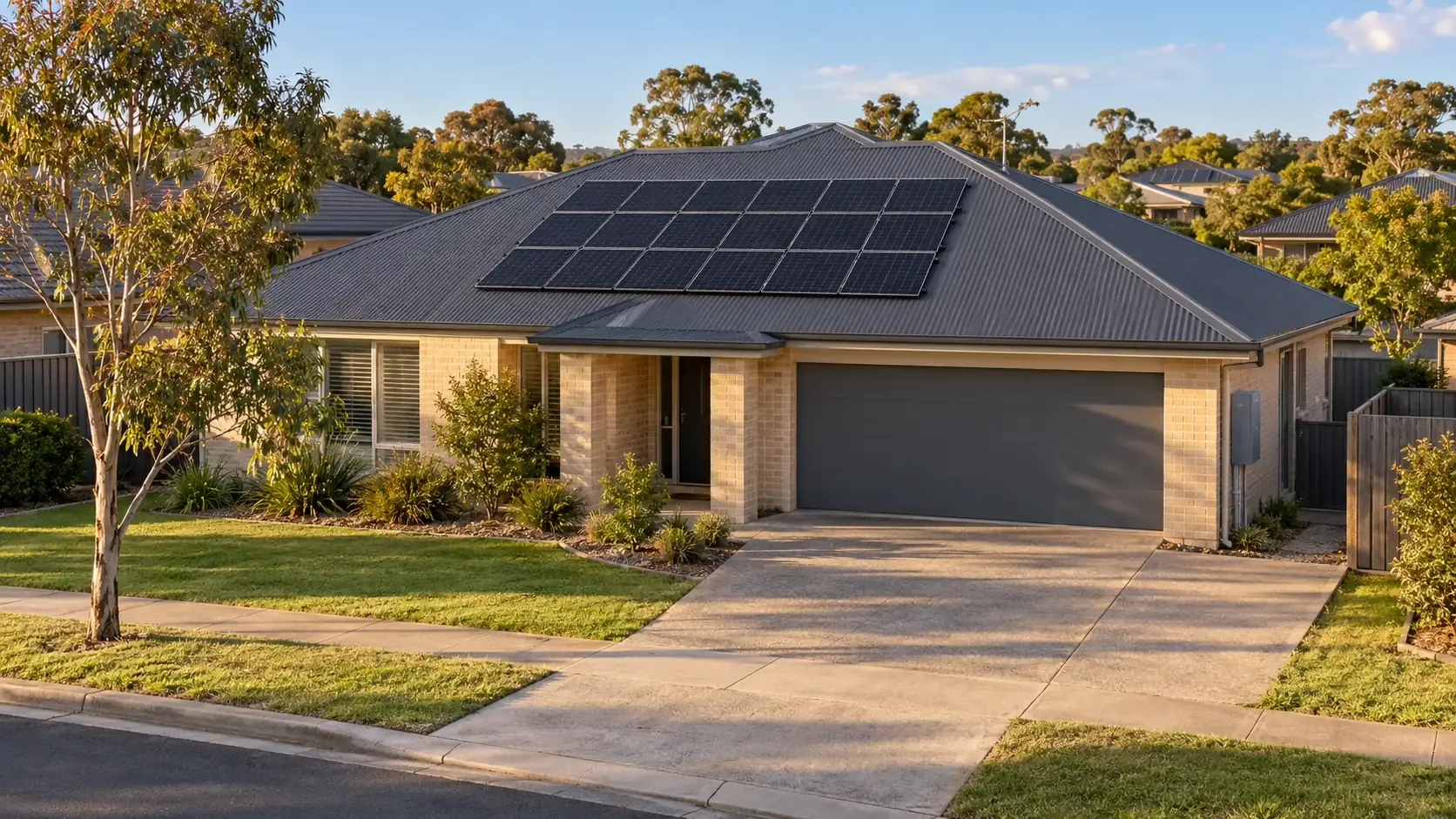
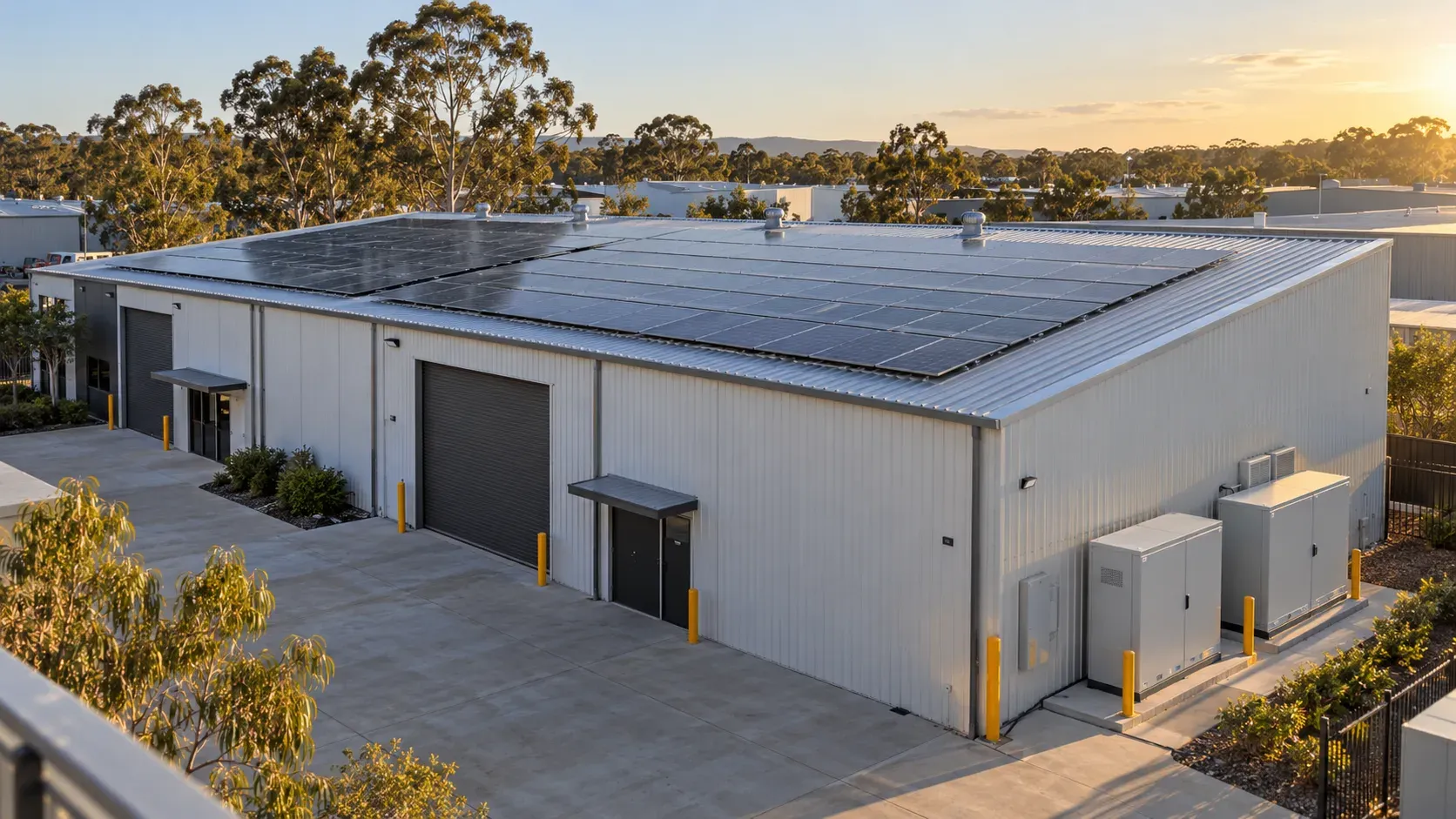
Commercial solar remains the most mature, best-understood utility investment in Australia. Daytime-heavy operations — commercial laundries, kitchens, refrigeration, HVAC — are almost perfectly matched to solar generation, which is why paybacks on well-designed commercial systems routinely land in the three-to-five-year range. Our commercial solar guide walks through system sizing, STCs versus LGCs, and how to structure the deal.
Two things have sharpened the case in 2026:
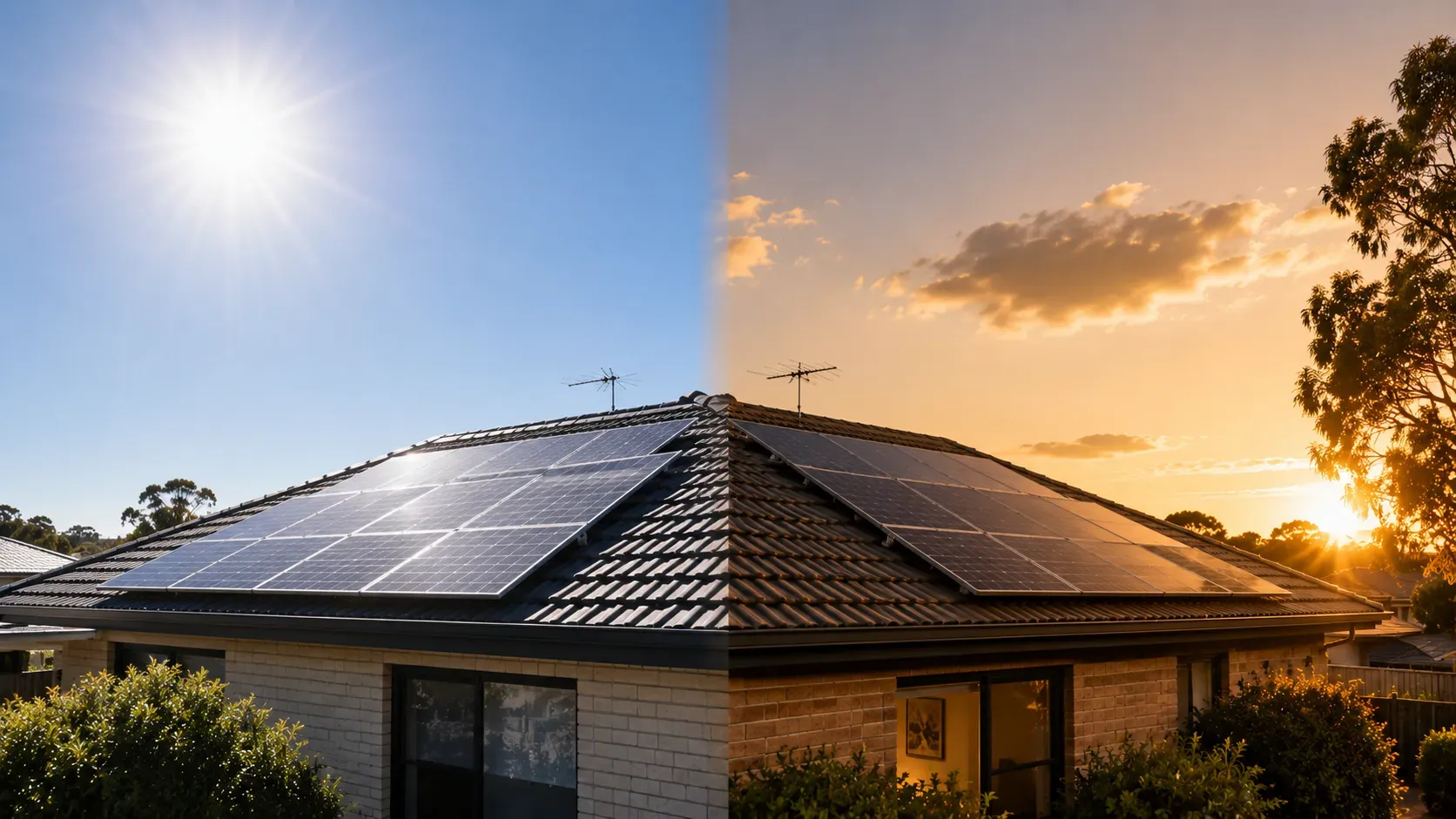
- Batteries now stack for small businesses too. The federal Cheaper Home Batteries Program isn't just for households — DCCEEW confirms small businesses and community facilities are eligible, with STC support on usable capacity up to 50kWh. That turns your solar surplus into evening trading hours covered at daytime prices.
- Demand charges. A battery that shaves your peak demand can cut the network component of a commercial bill, not just the energy component.
If electricity is your biggest line item, start there: compare commercial solar quotes from installers who work at commercial scale.
Utilities two and three: the ones hiding in the laundry
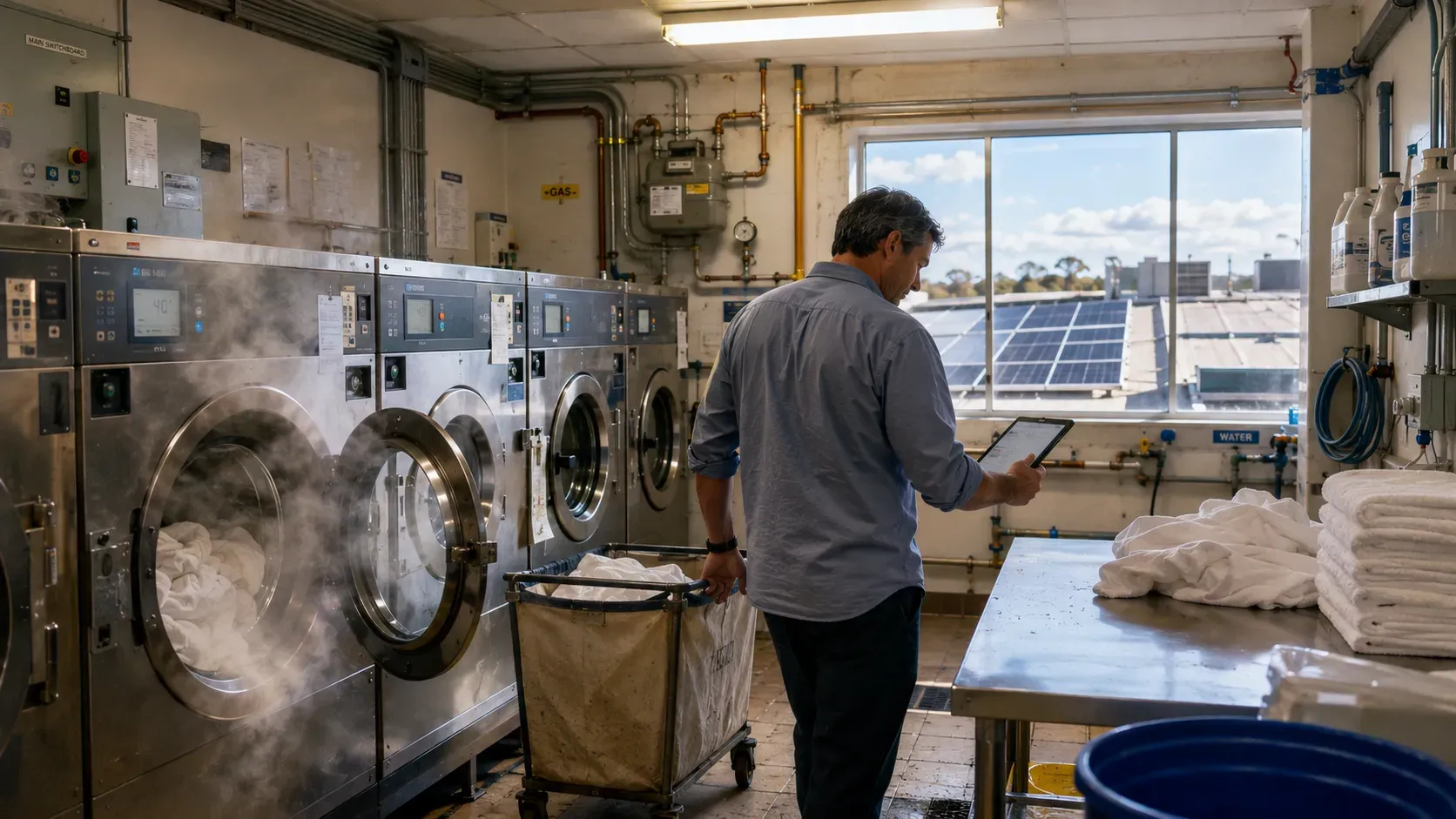
Here's the blind spot. For laundry-intensive facilities — hotels, aged care, hospitals, commercial laundries — a huge share of the gas and water bill literally goes down the drain. Every load sends hot, treated water into the sewer, and the facility pays three times: for the water in, for the gas that heated it, and for the trade waste going out.
Wastewater heat recovery and water recycling attack both bills at once. The technology captures outgoing warm wastewater, recovers its heat to pre-warm incoming water, and filters and recycles a large share of the water itself back into the wash cycle.
An Australian specialist in this space, Laundry Water Solutions, works much the way we do for solar: rather than installing anything themselves, they assess your facility, design the right system, and connect you with factory-authorised local partners who install Dutch-built Wientjens recycling technology — and they help identify the government incentives that apply. They cite typical results of 45–65% less freshwater use and roughly 15% gas savings, with paybacks commonly in the 6–24 month range — as fast as six months for high-volume operations around 100 tonnes of linen a week, by their figures. Their free audit (a certified local partner visits your facility) is a sensible first step, because the economics scale sharply with throughput: a 20-room motel and a 300-bed aged care group are entirely different propositions.
Those are vendor figures, so treat them the way you'd treat a solar quote — ask for reference sites and modelling on your own volumes. But even at the conservative end, a payback measured in months rather than years is rare in capital planning, and it's why water recycling is increasingly appearing in the same board papers as rooftop solar.
The stacking logic: audit all three, sequence the paybacks
The smartest 2026 playbook we're seeing from facility managers looks like this:
- Meter and audit all three utilities. Twelve months of electricity interval data, gas bills and water/trade-waste bills. You can't stack what you haven't measured.
- Rank projects by payback, not by habit. For a laundry-heavy site, heat recovery may beat everything; for a refrigeration-heavy site, solar wins. Let the numbers order the queue.
- Sequence so cash flow funds the next project. A 12-month-payback water project can effectively bankroll the deposit on a solar system; a solar system's savings can fund the battery once the federal rebate is factored in.
- Check the interactions. Heat recovery cuts gas demand, which changes the case for heat-pump hot water — which runs on electricity your solar now generates. The three utilities aren't separate silos; savings in one reshape the business case in the others.
- Don't leave incentives on the table. STCs or LGCs on solar, the federal battery rebate up to 50kWh for small businesses, and state-based energy efficiency schemes can all apply to the same site.
Start with the utility you can compare today
Water and heat recovery need a site-specific audit. Commercial solar, on the other hand, you can put out to competitive tender this week — and the discipline of comparing three proposals side by side is the single best protection against overpaying.
Get commercial solar quotes from up to 3 trusted commercial installers, free and with no obligation, and make electricity the first of your three utility bills to shrink.