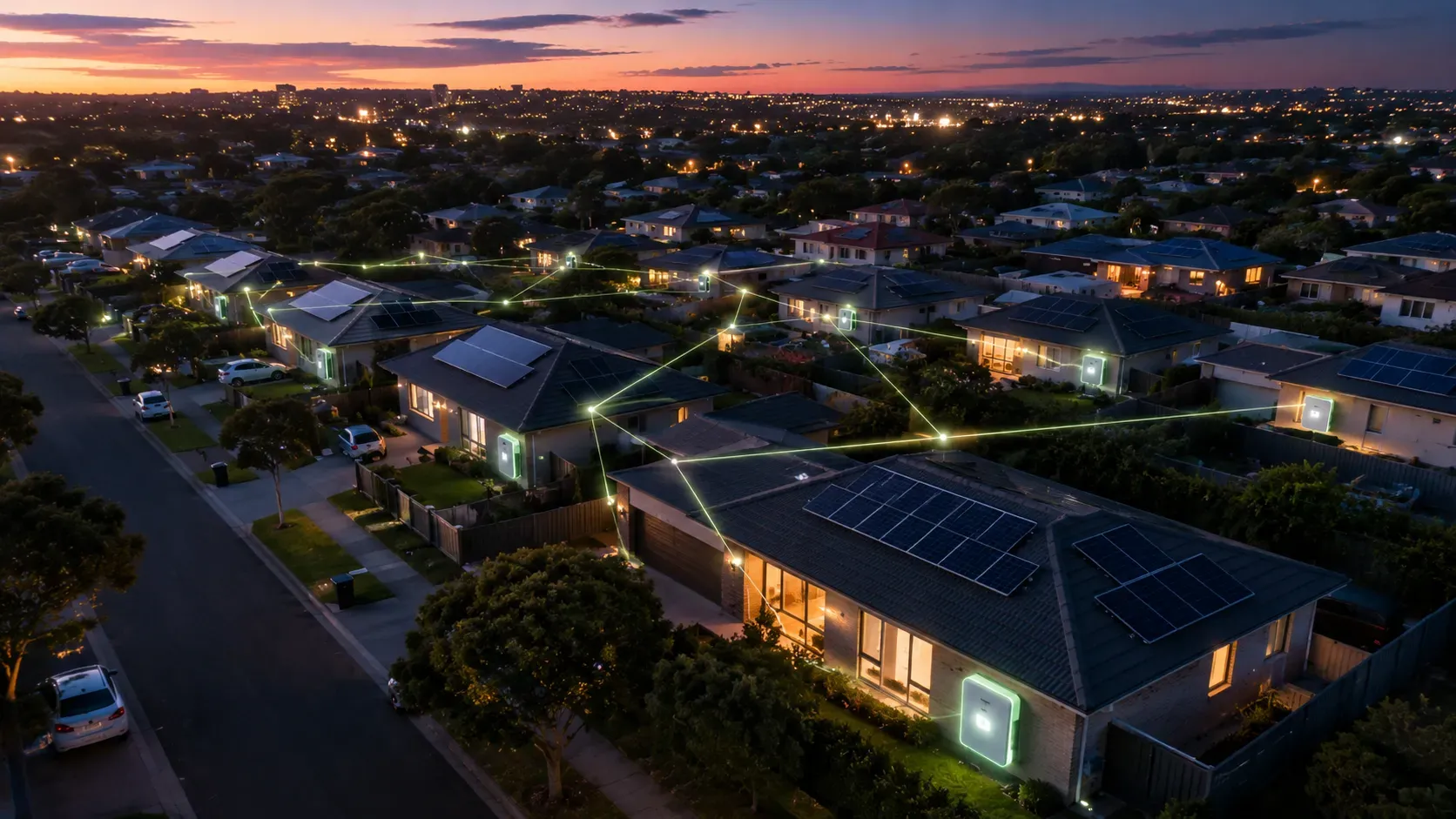
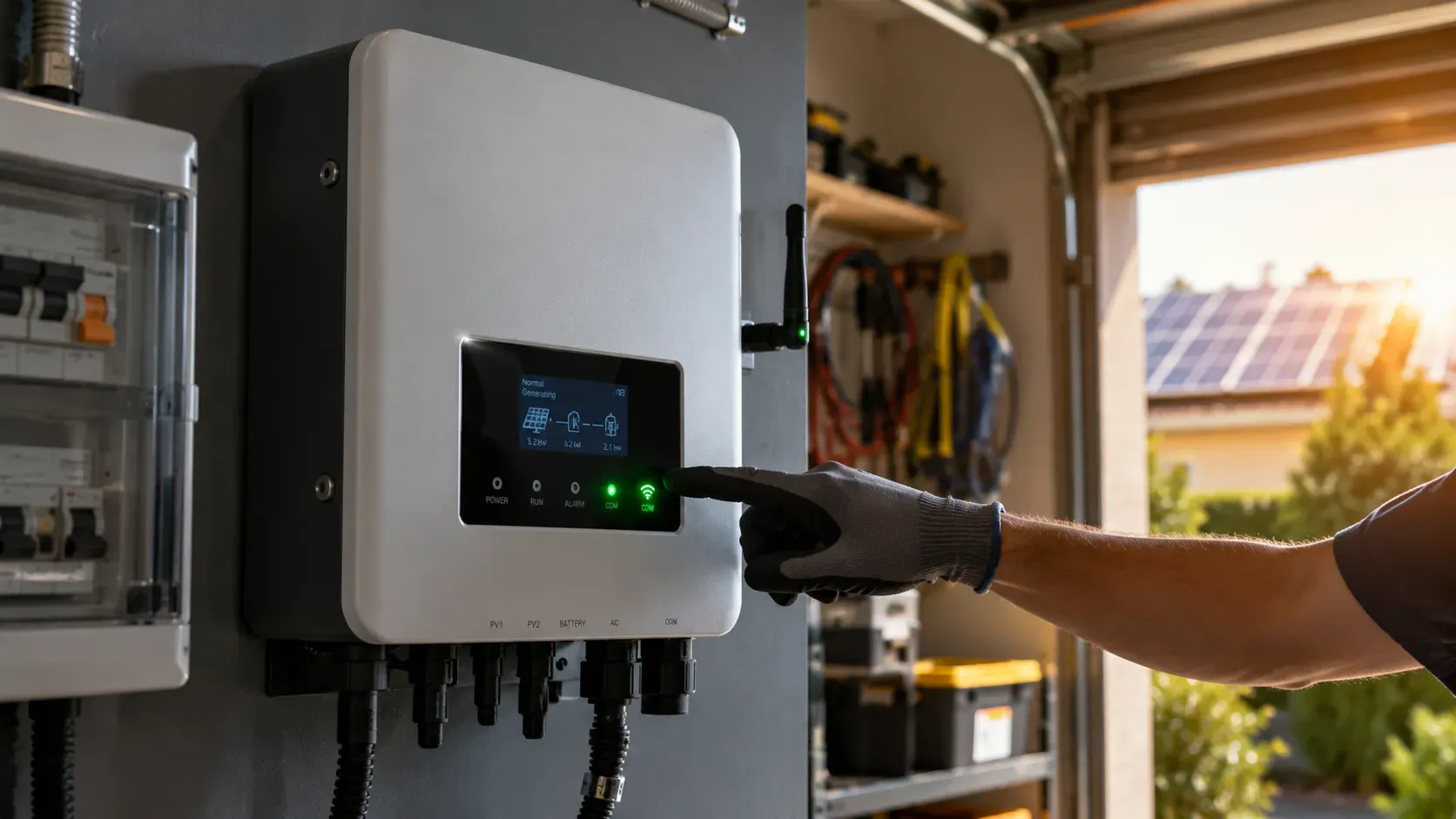
If you're getting solar quotes in NSW, the ACT or WA right now, there's a new box your system has to tick — and not every installer is across it yet. From 2026, new rooftop solar systems in these regions progressively need a "smart" inverter that the local network can communicate with, under rules known as flexible exports and the emergency backstop.
It sounds bureaucratic, but it directly affects which inverter should be on your quote, and how much solar you'll be allowed to export. Here's the plain-English version.
Why do networks suddenly want remote control of my inverter?
Australia has so much rooftop solar that on mild, sunny days, demand for grid electricity can fall dangerously low — a "minimum system load" event. If big power stations are pushed offline while millions of rooftops keep pumping power in, grid stability is at risk.
The emergency backstop is a last-resort safety switch: in those rare events, the network can temporarily turn down (or off) solar exports from participating systems, then restore them once the grid stabilises. The NSW Government describes it as a safeguard used only in emergency conditions (energy.nsw.gov.au).
The sweetener is flexible exports: because the network can dial exports down when needed, it can also let you export more the rest of the time, instead of imposing a low fixed limit on everyone.
What is CSIP-AUS?
CSIP-AUS (Common Smart Inverter Profile Australia) is the communications standard — based on IEEE 2030.5 — that lets networks send instructions to, and receive data from, solar inverters and batteries in near real time (Reslink). A "CSIP-AUS compliant" or "backstop-enabled" inverter is simply one that speaks this language and stays connected to the internet.
Where the rules stand, state by state
NSW and the ACT
From June 2026, the emergency backstop requirement is rolling out progressively by local government area and postcode, with the full rollout completing between October and December 2026. All new and upgraded rooftop systems under 200kW must be backstop-enabled with a CSIP-AUS compliant inverter, and from mid-2026 installers must register every job through the NSW Government's CER Installer Portal (energy.nsw.gov.au). The ACT's network, Evoenergy, is part of the same rollout. Existing systems aren't required to be retrofitted.
If your property has poor internet connectivity, the inverter must still be CSIP-AUS compliant, but it will be set to a low fixed export limit until reliable connectivity is available.
Western Australia
From 1 May 2026, new and upgraded solar and battery systems on the South West Interconnected System (including Perth) must meet new connection requirements. Customers who don't want to participate in communications-based export products must have their system export-limited to just 1.5kW (wa.gov.au). In other words: connect a compliant system, or accept a hard cap on what you can sell to the grid.
The South Australian precedent
SA has run this playbook since July 2023 — and it's been a win for consumers. New solar customers choose between a fixed limit (1.5kW or 0kW depending on area) or flexible exports of up to 10kW per phase. More than 86% chose flexible exports (SA Power Networks). Victoria has also had an emergency backstop in place for new systems. NSW, the ACT and WA are following a well-trodden path, not running an experiment.
The questions to ask every installer
Before you sign anything in 2026, get clear answers on:
- Is the quoted inverter CSIP-AUS compliant and backstop-ready for my network area — and is the compliance current (CSIP-AUS v1.2 in NSW/ACT), not "coming in a firmware update"?
- Who is the connection agent? Someone (the manufacturer's cloud, a third party, or the network directly) has to manage the communication link. Ask who, and whether there's any ongoing fee.
- Static or flexible export limit? What's my export limit on day one, what could it rise to with flexible exports, and what happens if my internet drops out?
- Is the paperwork included? In NSW, portal registration is the installer's job — make sure it's in the quote.
A compliant inverter typically costs no more than a good conventional one, and most major brands sell compliant models. If a quote features an inverter that can't meet the rules, that's a system that may be stuck at a punitive export limit. Our solar tips page has more on comparing quotes line by line.
Backstop rules and batteries
These rules make home batteries more attractive, not less: energy stored in your battery during a backstop event is yours to use, and with the federal Cheaper Home Batteries Program discounting upfront costs (tiered by usable capacity, strongest on the first 14kWh), pairing a compliant hybrid inverter with storage is the most future-proof setup going. Check what other incentives you can stack on our solar rebates page.
Ready to get it right the first time? Compare up to 3 free quotes from installers who know your network's rules — get quotes now.