If you're shopping for solar in 2026, the biggest question isn't which panels to buy — it's whether to add a battery at the same time. A few years ago the answer was usually "panels first, battery later". These days it's genuinely a line-ball call, and the right answer depends on when your household uses power, what your network pays (or charges) for exports, and how you feel about the federal battery rebate stepping down over time.
Here's how to think it through.
Who still suits solar-only in 2026
Panels without a battery remain the cheapest way into solar, and for plenty of households they're still the right first move. Solar-only tends to suit you if:
- You use most of your power during the day. If someone's home running the dishwasher, pool pump, air-con or a home office between 9am and 4pm, you're consuming your solar as it's generated — which is where the real savings are.
- Your budget is tight. A quality solar-only system costs thousands less upfront than a combined package, and every dollar you don't borrow or drain from savings shortens your effective payback.
- You want the quickest payback. Panels alone still typically pay for themselves faster than a panels-plus-battery package, because the panels do the heavy lifting on bill reduction.
If that's you, the smart move is to get solar-only quotes now and make the system battery-ready (more on that below), so adding storage later is a bolt-on rather than a rebuild.
Who should seriously consider adding a battery now
The case for buying the battery upfront has strengthened in 2026, for a few good reasons.
Feed-in tariffs are heading towards zero. Typical feed-in rates now sit around 3–10c/kWh depending on your state and retailer, and Victoria has scrapped its mandated minimum feed-in tariff altogether — retailers there can pay effectively nothing. Meanwhile the so-called "sun tax" has arrived: from July 2025, NSW networks began charging around 1.2c/kWh for solar exported to the grid in the middle of the day (Solar Analytics). If you'd be exporting a lot, a battery turns near-worthless midday exports into valuable evening power.
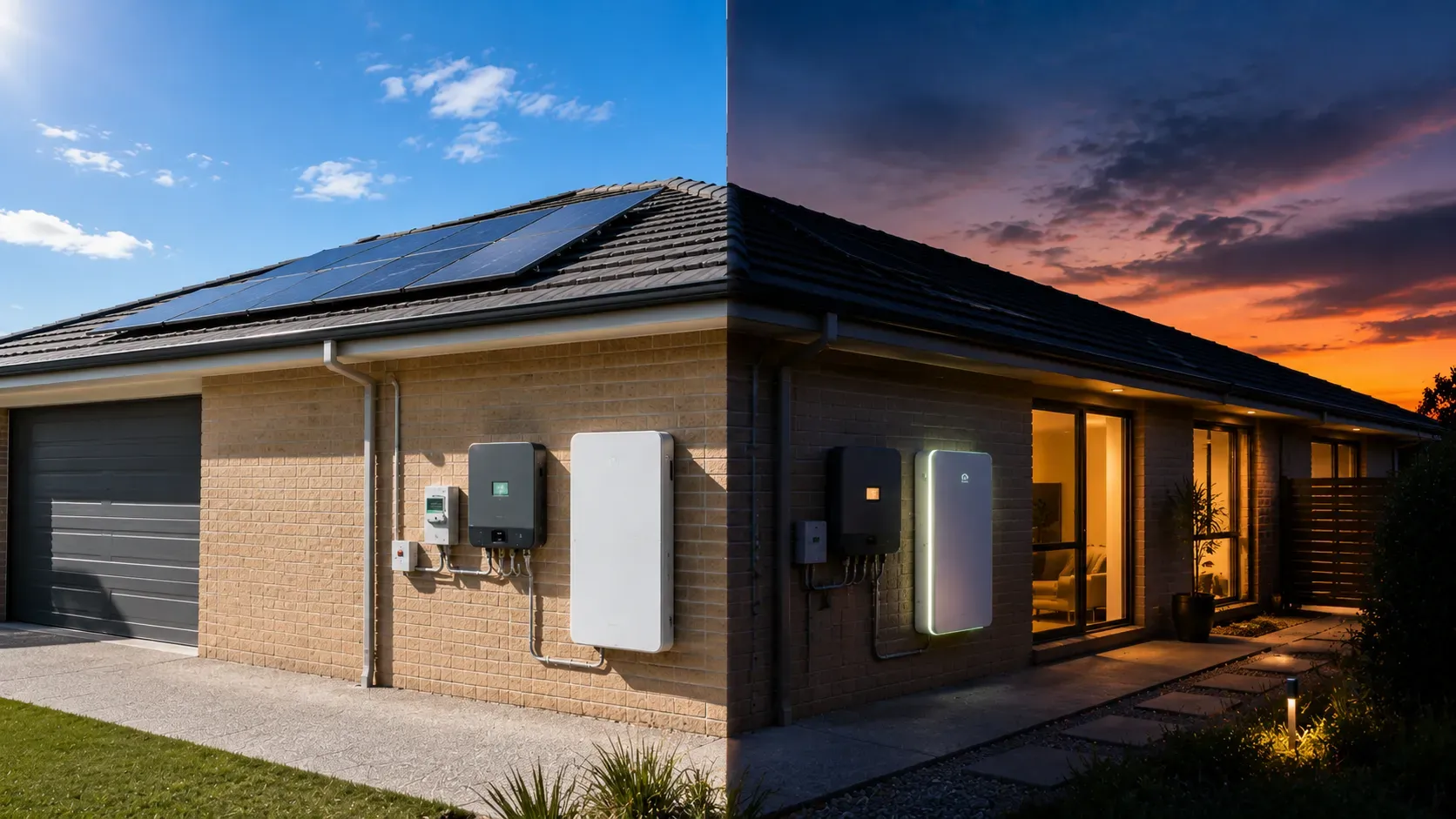
You use most of your power in the evening. If your household peaks between 5pm and 10pm — dinner, heating or cooling, TVs, EV charging — a battery lets your daytime solar cover your most expensive hours instead of being sold off cheaply.
The federal battery rebate is tiered — and strongest right now. Since 1 May 2026, the Cheaper Home Batteries Program pays the highest rate on the first 14kWh of usable capacity, with the next 14kWh (14–28kWh) attracting 60% of that rate and capacity from 28kWh up to the 50kWh cap just 15%. The STC factor also dropped from 8.4 to 6.8, and step-downs are now more frequent than annual (Clean Energy Regulator). The practical takeaway: right-sized batteries around the 10–14kWh mark get the best support per kilowatt-hour, and waiting means a smaller discount. You can read more about how the incentive works on our solar rebates guide and our dedicated solar battery page.
You want backup power. If blackouts are a genuine concern where you live, only a battery (with backup capability specified in the quote) keeps the essentials running when the grid drops out.
The staged path: battery-ready today, storage tomorrow
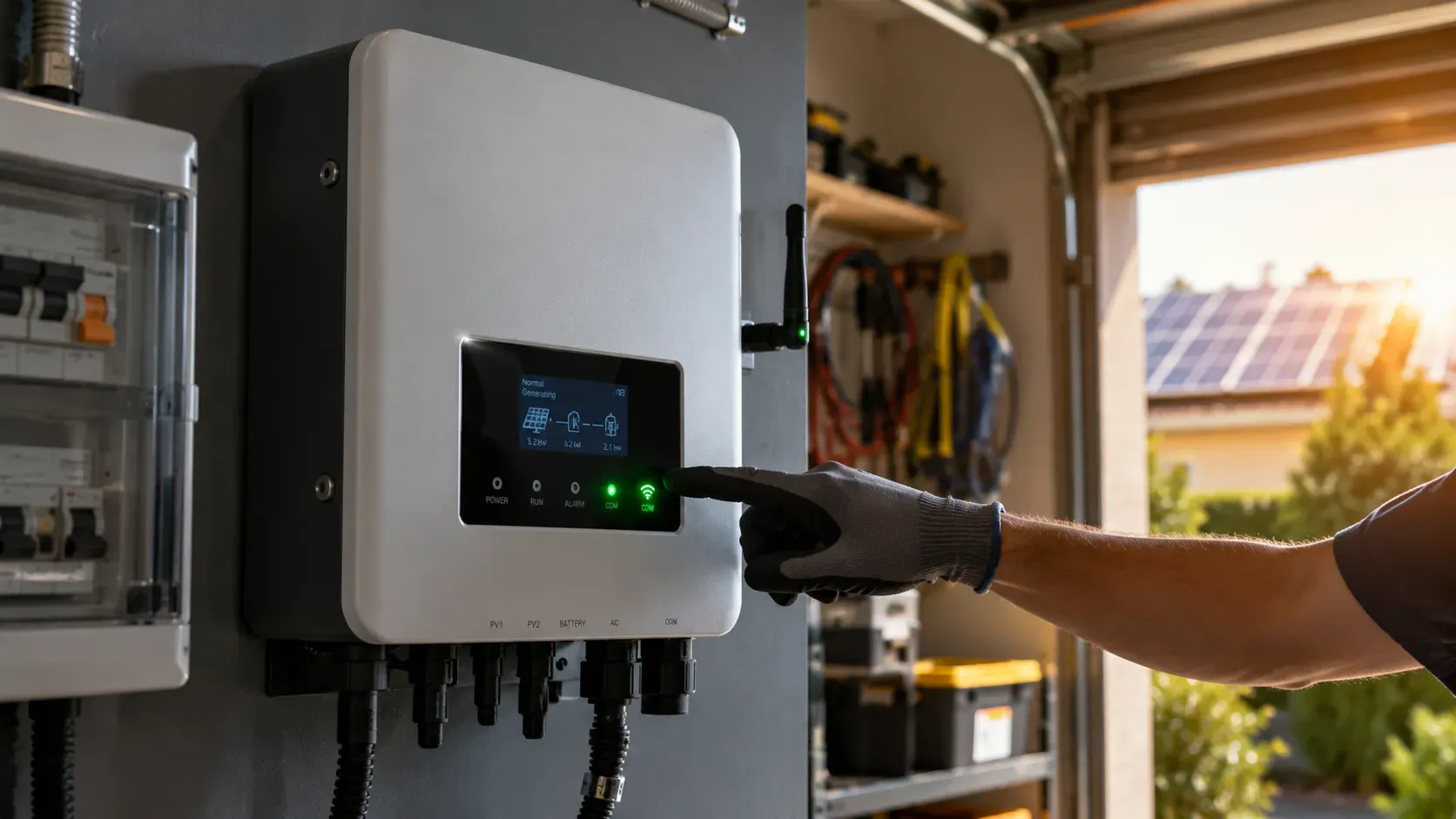
You don't have to choose forever — you just have to choose what to buy first. If you're going solar-only now, ask every installer to quote a hybrid (battery-ready) inverter or at least explain how a battery would connect later. A hybrid inverter usually adds a little to the upfront cost but can save you replacing a perfectly good inverter in three years' time. Also ask:
- Which battery brands is the inverter compatible with?
- Is there space (and a suitable, shaded, ventilated wall) for a battery near the switchboard?
- Will the consumer mains and switchboard wiring support backup circuits later?
For more preparation pointers, our solar tips library covers battery-ready design in plain English.
How to compare both options properly
The only way to know which path wins for your roof and your usage is to see real numbers side by side. Ask each installer to quote two scenarios: solar-only (battery-ready) and solar plus battery, each with the STC discount and the tiered battery rebate itemised separately, plus the payback assumptions spelt out. Then compare installers, not just hardware — check their history and customer feedback on solar reviews before you sign anything.
Ready to see what the numbers look like for your home? Get quotes from up to 3 vetted local installers — it's free, and there's no obligation.