A solar system is a 25-year commitment bolted to your roof. That simple fact changes the order of operations: the cheapest time to fix anything under the panels is before they go on. Here's the pre-install checklist we wish every homeowner ran through before signing a solar contract.
1. Sort the roof first — the maths is brutal
Most quality panels now carry performance warranties of around 25 years. If your roof has 5–10 years left in it, you're setting up an expensive appointment with the future: to restore or replace a roof under an existing array, the panels must be professionally removed and reinstalled by licensed electricians.
That's not a small job. Australian pricing guides put temporary removal and reinstall of an existing system at roughly $1,200–$1,900, and quotes often run per panel — around $85 per panel plus GST is a commonly cited rate, so a 20-panel system lands near $1,700 plus GST before the roofing work even starts (Oz Roof). Two-storey homes and microinverter systems cost more, and a restored roof typically needs several days to cure before panels can go back on — days your system earns nothing.
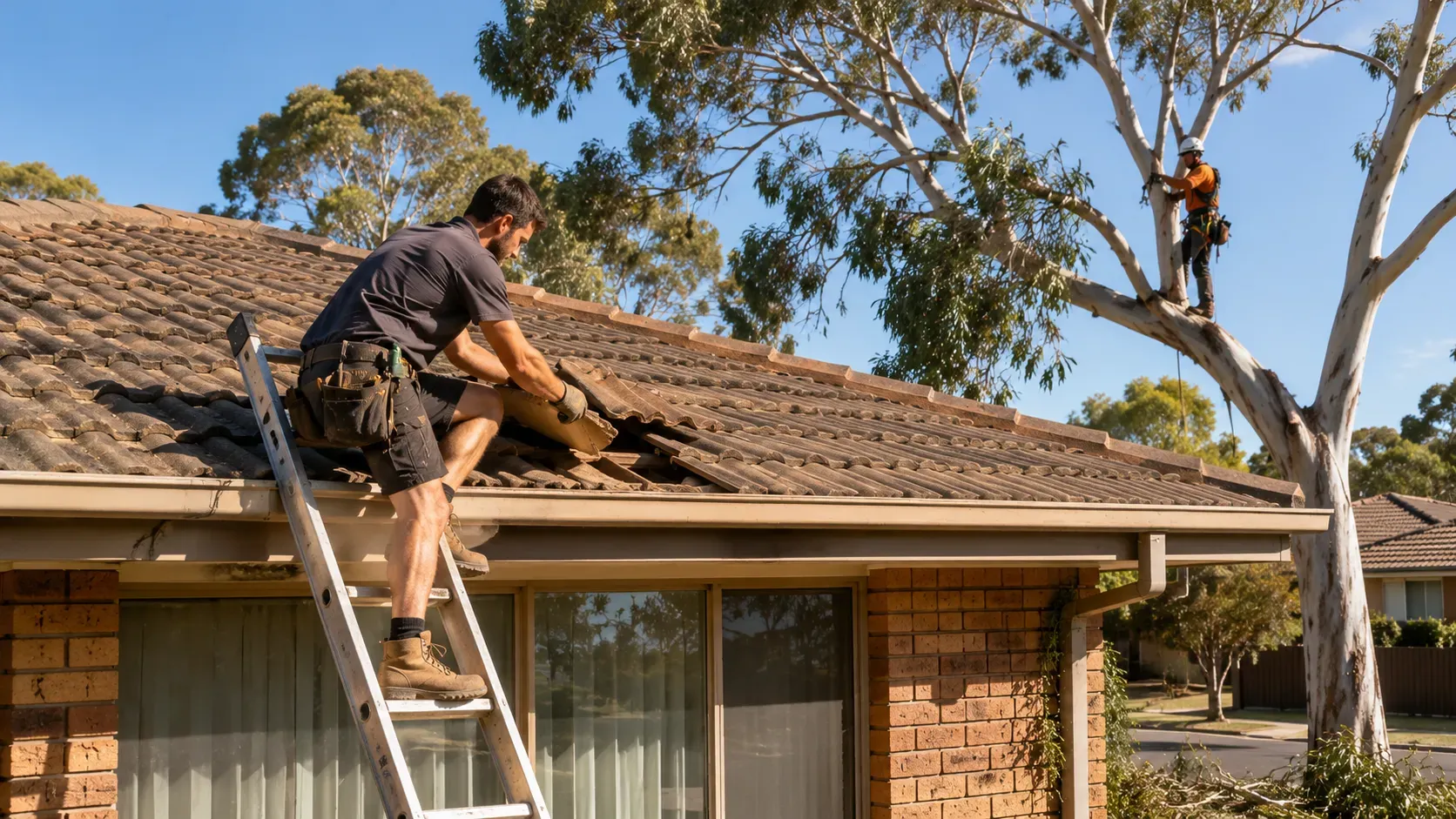
So walk the roof (or get a roofer to): cracked or slipped tiles, rusted screws or sheets on metal roofs, flaking pointing, sagging sections. A restoration done now, while the roof is bare, is dramatically cheaper than the same job done around — or after removing — your panels.
2. Asbestos-era roofs: a hard stop
If your home was built or roofed before the 1990s and still has its original corrugated cement sheeting, get it tested before you talk to solar installers. Drilling into asbestos-containing material is a serious health hazard, and most reputable installers simply won't touch an asbestos roof. Replacement with new metal sheeting is the standard path — a significant cost, but one that comes with a brand-new surface that will comfortably outlast the panels.
3. Shading: deal with the trees honestly
Shade is the quiet killer of solar returns. Even partial shading across a string of panels for a couple of hours a day can take a serious bite out of annual generation. Before quoting, look at your roof through the seasons: that gum tree that's harmless in January may shade half the north face in June, when the sun sits lower.
Trimming or removing trees is a job for an insured arborist, not a Saturday with a chainsaw — and it's another one that's far easier before there are panels in the drop zone.
For the roof restoration, tree work or any renovation jobs on this list, The Wombat is a handy free Australian service that matches homeowners with up to 3 verified local tradies — every business ABN-checked and manually reviewed. It's the same compare-three-quotes model we run for solar, applied to the rest of your house, and it saves ringing around for a roofer, arborist and electrician separately.
4. The switchboard: your home's weakest link
Many older Australian homes still run ceramic fuses or switchboards without safety switches and modern circuit protection. Solar (and especially solar plus a battery) needs space on the board and compliant protection, and installers will quote a switchboard upgrade as a variation if it's needed — often discovered on install day, when it becomes an unwelcome surprise.
Ask your electrician (or your solar quoter) to assess the board up front. Knowing you need an upgrade before comparing solar quotes means every quote prices the same job, and you can't be caught by a "sorry, extra $2,000" phone call mid-install.
5. Paperwork: heritage, planning and strata
Most Australian homes need no planning approval for rooftop solar. The exceptions catch people out: heritage-listed properties and heritage conservation areas, some flood- and bushfire-overlay zones, and strata-titled buildings where the body corporate owns the roof. Rules vary by state and council, so a quick call to your local council (or a search of your property's planning overlays) before you sign avoids a contract you can't legally execute. Heritage approvals in particular can add weeks or months.
Ready roof, ready quotes
Run the checklist in order: roof condition, asbestos, trees, switchboard, paperwork. Every item is cheaper and simpler before panels arrive, and a solar-ready home gets you cleaner quotes with fewer variations and no install-day surprises.
Once the house is ready, the last step is the easiest: get quotes from up to 3 trusted local installers — free, no obligation — and compare them side by side. For more on judging those quotes once they land, our solar tips guide has you covered.