
Business as usual for solar during COVID-19
It's business as usual for solar during COVID-19 with record numbers of home and business owners seeking to save money and increase their energy security. The record numbers of homeowners becoming self-sufficient are driving very healthy levels of growth to Australia’s rooftop solar market.
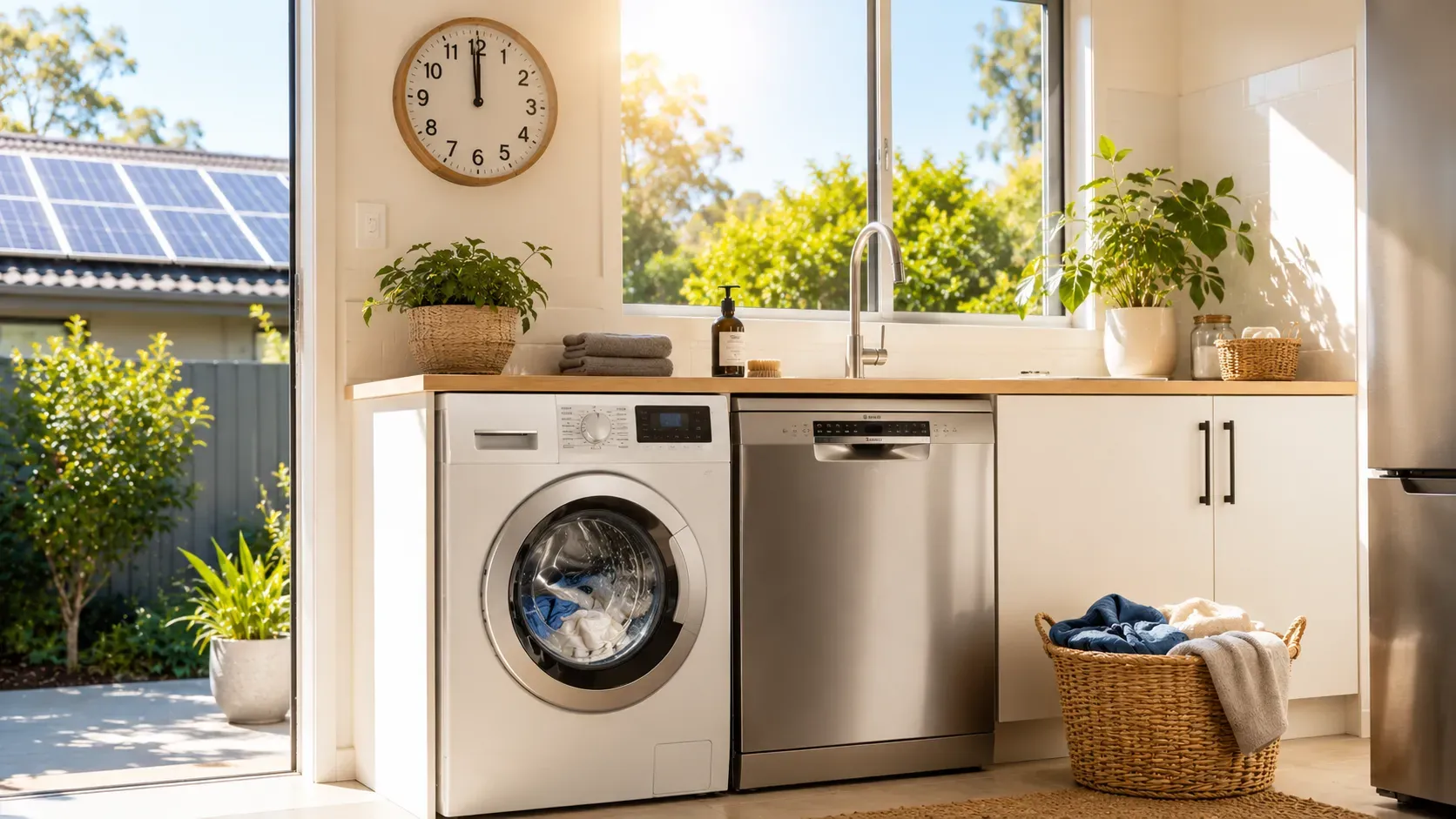
For many households, the pandemic changed when and how electricity was used. More time at home meant more daytime appliances, more heating and cooling, and more pressure on household budgets. Solar became a practical way to reduce exposure to rising bills while making better use of daytime energy.
Key points for homeowners
Here are the key points you need to know about solar during COVID-19:
- Solar installers are still working (with social distancing in front of mind)
- Solar is an essential service
- Solar provides economic security (bill savings up to 75%)
- Solar provides energy security (via battery storage)
- Houses with solar are saving even more during COVID-19
- Solar finance options mean you can start saving for $0 upfront!
The main takeaway is that solar remained available while household energy use was changing quickly. That made quote comparison especially important, because the right system depends on your usage, roof space, budget and whether you are considering battery storage later.
Safe solar installations and social distancing
Solar installers continued operating with safety and social distancing in mind. A large part of the solar quoting and design process can be handled remotely, including roof checks, electricity bill review and system design.
For the physical installation, most of the work happens outside on the roof and around the inverter location. A reputable installer should explain how they manage site access, distancing and any household contact before the job begins.
More time at home means higher power bills
Social isolation for most of us has meant that more family members are home during the day in our households. This increased energy usage means that the next power bill will be quite a shock! A recent study of smart meter data in the UK showed that households had increased their weekday energy consumption by up to 30% during COVID-19!!!
The Government has been signalling many more weeks and possibly months ahead of social isolating from home - meaning that it's going to be up to homeowners to find ways to reduce their energy usage and avoid financial hardship.
Solar power can flatten energy costs
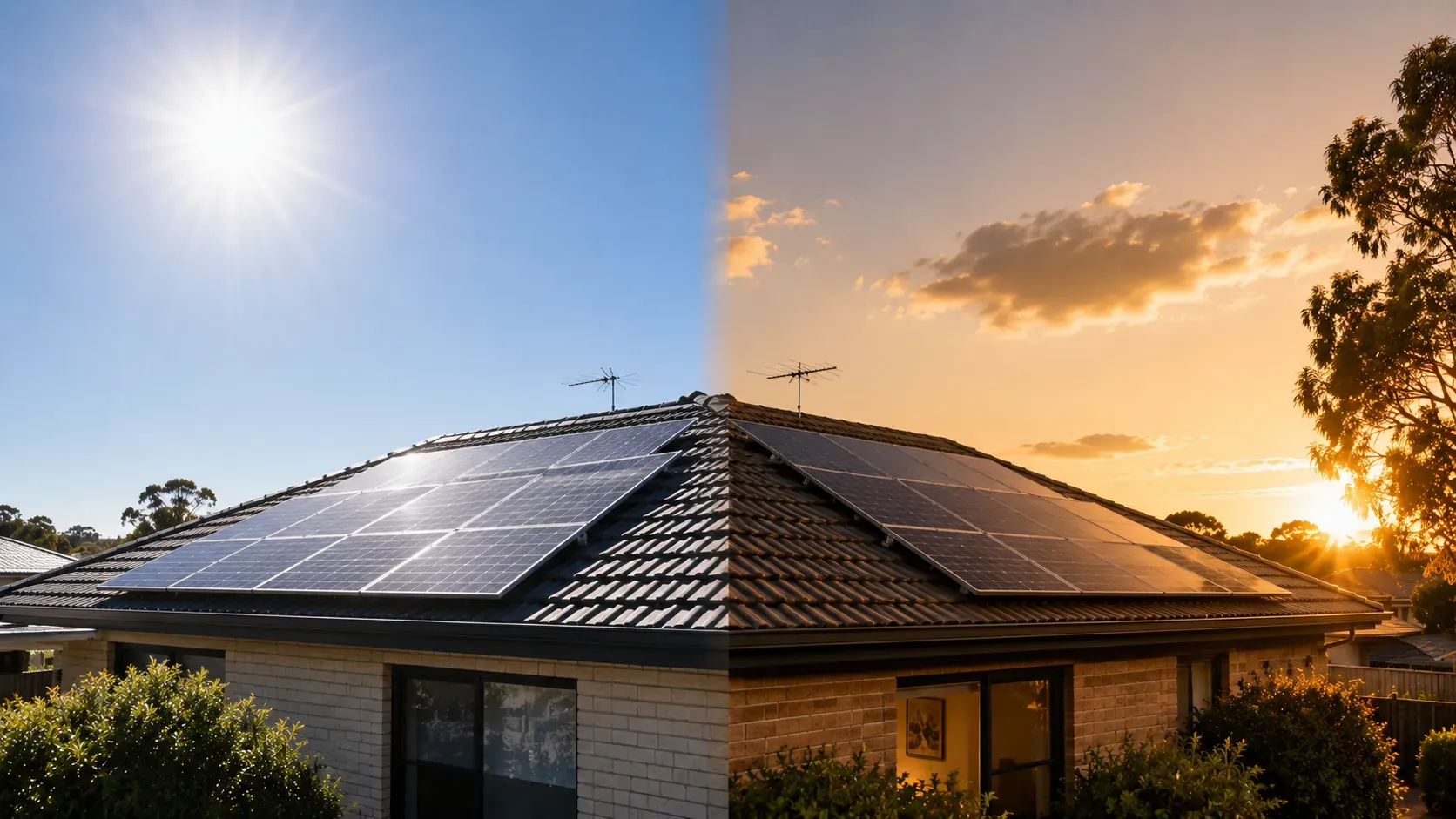
Solar is saving you money from the moment the panels are installed on your roof and connected to the network! The solar system does this by offsetting your household energy usage during the day when the system is producing energy and then feeding any excess power back into the grid.
You get paid by your energy retailer for this excess power, and you're not paying for any of the solar power 'self-consumed' during the day, meaning that solar will flatten your energy usage and reduce your power bills by up to 75% for years to come!
Why system size matters
The most common system size installed on family homes in 2020 is the 6.6kW solar system. This system allows you to maximise your solar rebate by 'overclocking' the inverter (as explained in our solar tips guide) and will provide you with at least $2000 per year in tax-free savings!!!
That does not mean every home should install the same system. The right size depends on roof space, orientation, shading, daytime usage and whether you expect your electricity needs to grow. Comparing quotes helps you see how different installers size the system and calculate projected savings.
Finance and battery-ready options
Solar finance options can make it possible to install a system with little or no upfront cost, although homeowners should compare repayments, total cost and expected savings carefully. A quote that looks cheap upfront is not always the best long-term value.
Battery storage can also improve energy security, but it may not be the right first step for every household. Many homeowners choose a battery-ready solar system first, then add storage later when the numbers make sense.
Compare quotes before choosing an installer
If you are using solar to reduce household costs, the installer and system design matter as much as the headline price. Compare at least three quotes so you can understand equipment quality, warranties, expected savings and the installer's track record.
A clear comparison can help you avoid undersized systems, poor-quality components and quotes that do not reflect how your household actually uses power.